Tuesday, June 30, 2015

I am Designer, and Artist

The city of Manchester holds a vibrant history, resulting in a huge treasure trove of museums and exceptional architecture. Today historic exhibitions throughout the city are balanced with contemporary commissions, mixing industry with creativity. Manchester has always been a popular destination for art and culture. The largest exhibition ever held in the UK came here in 1857, called the Art Treasures of Great Britain. Many artists have lived and worked here including the French Impressionist painter Adolphe Valette, the Irish sculptor John Cassidy and the Stretford-born painter L. S. Lowry. The city is also renown for its thriving theatre and dance scene including venues such as The Royal Exchange and the Manchester Opera House.

1. Artzu Gallery
The Artzu Gallery supports established and emerging artists working in painting, sculpture and photography. It is situated at the heart of Spinningfields, Manchester’s financial district, and overlooks the greenery of Hardman Square. It has been known to be the most progressive independent gallery space in Manchester for more than a decade, encouraging local talent and


2. Manchester Art Gallery
Manchester Art Gallery is a publicly owned art gallery located in Mosley Street. First opened in 1824, today it occupies three buildings, the oldest of which, designed by Sir Charles Barry, is Grade I listed and was originally home to the Royal Manchester Institution. The gallery houses the civic art collection which includes works of local and international significance, including work by local artists such as Impressionist painter Wynford Dewhurst. The gallery offers a mixed programme of contemporary, historic, fine and decorative art, costume and photography exhibitions, and welcomes proposals from artists, curators and members of the public.


3. The Lowry
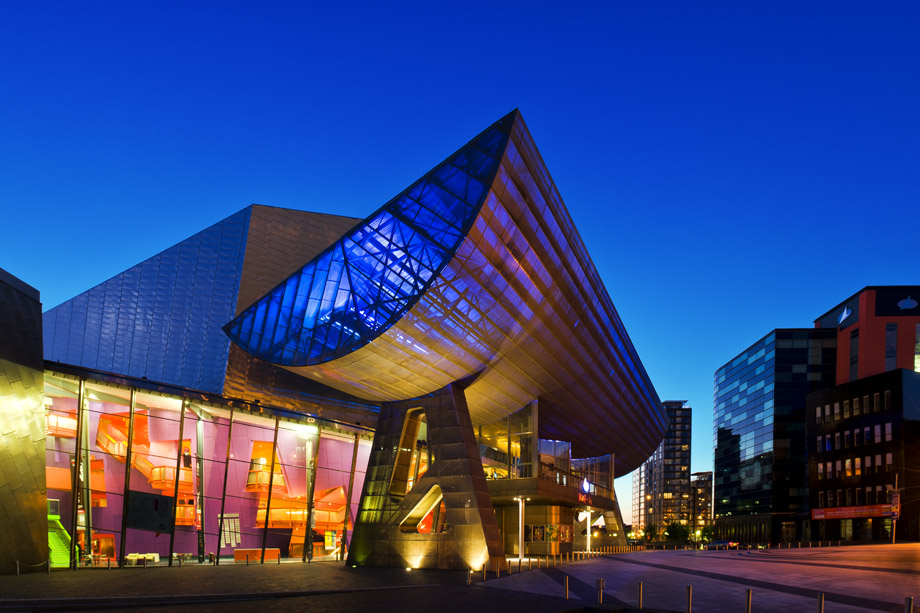
Located in Salford Quays in Greater Manchester, The Lowry showcases a variety of visual and performing arts, with two main theatres and studio space for performing arts. It runs a programme of special exhibitions of modern and contemporary art, photography and design, and the work of L. S. Lowry in its gallery spaces. The impressive building was completed in 2000 and was designed by the architect Michael Wilford.


4. Cornerhouse
The Cornerhouse was founded by the Greater Manchester Visual Arts Trust, chaired by Sir Bob Scott, and opened in 1985. It is Manchester’s international centre for contemporary visual arts and independent film, housing three floors of art galleries. It has three screens showing the best of independent film and also operates an international distribution service for contemporary visual arts books and catalogues. Its aim is to showcase the best in contemporary theatre, visual art and film, while also supporting learning and participation, creative industries and digital innovation.


5. Whitworth Art Gallery
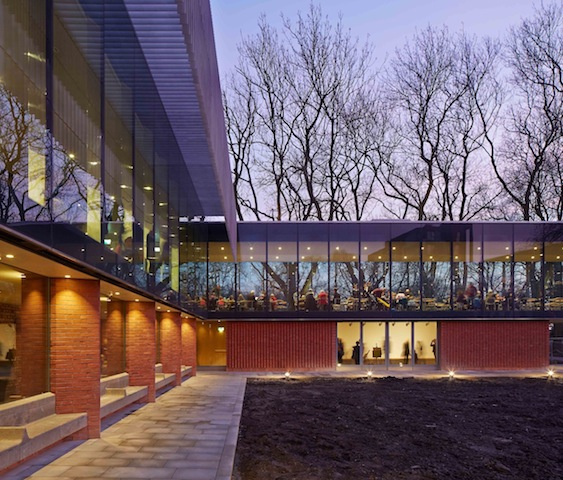
Whitworth Art Gallery has been part of the University of Manchester since 1889 and holds both historic and contemporary collections. It displays modern art and sculpture, including works by Epstein, Hepworth, van Gogh and Picasso. It acts as a contemporary collecting institution, collecting works by emerging as well as internationally renowned artists, and was also the first gallery in the UK to make its collection available online. The gallery became noted for its championing of British contemporary art, staging David Hockney's first British show in 1969.




Monday, June 29, 2015

Never bored of Festivals & Events

There's always a lot going on in Manchester, with every year dishing up a diverse selection of festivals, fairs, celebrations, concerts, community bits and bobs, seasonal stuff and special events at museums, galleries and attractions. I have put together a Manchester events calendar. So that I won't miss out, and get stuck in.

1. Manchester Day
Manchester Day was created in 2010 as a way of celebrating the great things about the city, particularly its creativity and diversity. It brings together artists, the public and local businesses in a day long event designed to make you feel proud. And so it does! It's produced by Salford based company Walk the Plank, well­known and well­loved local creators of the first ever theatre ship and originators of astonishingly crafted events for decades. The centrepiece of the event is a huge, mile­long parade through the city which creates such a lovely carnival atmosphere with its huge puppets and colourful costumes.


2. Parklife
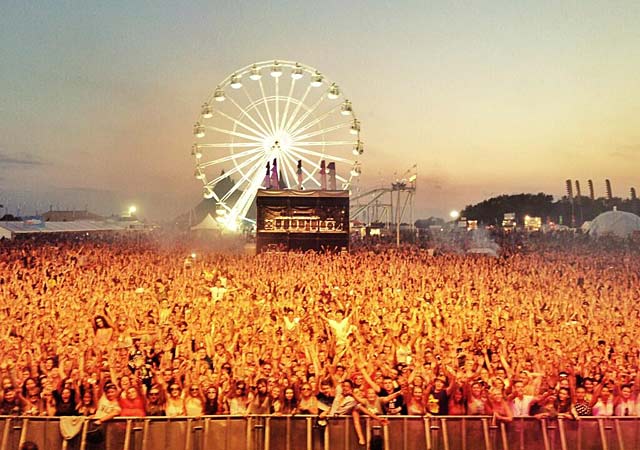
The Parklife Weekender used to be at Platt Fields Park but now attracts over 70,000 people a day, so it had to find a new home in larger Heaton Park. Organised in association with the Warehouse Project, Parklife has ambitions to celebrate more than just music, so theatre events and other art forms raise it above some of its rivals. There's no camping, but there's no need, Heaton Park being on the tram route.


3. Manchester Jazz Festival
As well as championing the regions best jazz musicians, the Manchester Jazz Festival welcomes people from all over the world, its reputation now international. Most of the music is original too, which means that there's literally something new to see at every visit.


4. Manchester International Festival
This biennial event started in 2007 and has rapidly become one of the most significant events in the cultural calendar of Europe and beyond. As a commissioning, artist led festival, M.I.F. (never say 'mif'), transforms the city for 21 days into a magical place, where internationally renowned artists present brand new work alongside special events. And the work is often extraordinary.


Sunday, June 28, 2015

UOS and Media City

We are going to start our new semester in University of Salford soon, in February next year. But, I'm still not really know much about UOS and MediaCity.

University of Salford  is an ambitious university, with 20,000 students contributing enormously to the local economy and our expertise transforming individuals and communities through excellent teaching, research, innovation and engagement. The University of Salford is a great place to be a student. It is close to Manchester with its mix of music, night-life, restaurants and culture and has a great social scene within the University organised through the student union website.


Location
First of all, I would like to search for the geographical location of University of Salford main campus.
The University of Salford is located one mile to the west of Manchester's cosmopolitan city centre. Its location, close to an extensive network of roads and railways is ideal for travel to all parts of the country. Manchester International Airport, less than 15 miles from the campus, offers direct flights to many parts of the continent and a regular shuttle service to London - Heathrow. A British Rail station is situated 2 minutes walking distance from the centre making rail travel even more convenient. Manchester,

Facilities
The main campus, Peel Park campus, is the base for the majority of the courses. The newly renovated Chapman building offers six lecture theatres equipped with the very latest technology and large screen displays, a series of communal learning and open study spaces and a Fairtrade café with panoramic views across the campus.
Chapman Building


The library, Student Life one stop shop for student support, the Students’ Union and Students’ Union bar and café, student accommodation and leisure centre are also based on this campus.
Cliffoed Whitworth Libraty

UOS cater for all major religions on campus; there are prayer and worship facilities available across the campus.  UOS also cater for all dietary requirements in our on-site eateries. Student can catch up with friends at the stylish and relaxing Bar Yours, run by the Students’ Union and based on campus. Sports fans will love the sports bar which features three pool tables, plasma screen TVs showing Sky Sports and a large projection screen for sports matches. The bar also hosts regular comedy nights, quizzes and other social events for the student to take part in. Those who want a quieter option can head to the comfy lounge bar which also offers a galleried area. UOS has free wifi access too. Or try Café Yours next door, an alcohol-free internet café with a great range of food and drinks, even “Starbucks” coffee - relax, surf, read and chat in a comfortable environment.There are plenty of other cafés and restaurants on campus where you can relax with anything from a genuine “Costa” to enjoying a full range of tasty hot and cold meals, including a range of vegetarian, halal and healthy options.

MediaCityUK
MediaCityUK is a vibrant place in which to live, work, socialise and study. Home to major BBC and ITV departments, the University of Salford and over 80 businesses across the creative and digital sectors, MediaCityUK is recognised as one of the most innovative developments in Britain.


UOS MediaCityUK Campus
There are over 30 undergraduate and postgraduate courses taught at MediaCityUK.
The production suites, studios and digital infrastructure have been informed and specified by industry and future proofed for emerging creative technologies.
Close partnerships with major businesses such as BT and Adobe will inform the development of courses and research projects – keeping our focus constantly up to date with the real world.
Aim is to have all students working on live briefs (assigned by business partners) as part of their course.  These will be used as a key aspect of teaching and preparing students to be professionals.
Share knowledge and ideas.  Participate in 'cross-working' across courses – for example, students studying journalism, broadcast, post-production and scriptwriting will work together to produce portfolios.
Classroom


Saturday, June 27, 2015

Rainbow Village (Gay Village)

Since the start of the 1990s, the area around Canal Street, in Manchester city centre, has grown to become one of Europe's most lively gay areas, now known as the Village. The area has become popular with both heterosexual and gay visitors and has one of the most vibrant nightlife scenes in the city. The original home of Manchester’s Marble Beers, this gem of a pub offers a great selection of real ale and craft beer, both the brewery’s own and from further afield, across 11 hand pulls and three keg lines. The Gay Village in Manchester is without doubt the liveliest area of the city and this is reflected by the number of pubs, bars and clubs dotted around Canal Street, or 'anal treet' as it's also affectionately known locally.

Canal Street is the name most widely associated with Manchester's Gay Village.
Lined with gay bars, clubs, cafe's and shops, it's packed at night time with gays, lesbians, transexuals and transvetites who have flocked to the area from all over the world, many attracted by the Queer As Folk television drama which was based here.

Gay Bars
Manchester has one of the biggest gay scenes in the UK with numerous bars, cafés and gay venues. Most are located around the Gay Village on Canal (aka ‘Anal’) Street. There are plenty of other gay bars in the Gay Village. This area is busy most weeknights and packed at the weekend, with locals and visitors from all over the world.
1. The Eagle Bar
2. Company Bar
3. Kiki
4. Taurus

Gay Sauna - H20 Sauna 
Manchester has a massive gay scene where there’s always something happening.  H20 Sauna is a gay sauna in the heart of Gay Village.  Facilities at H2O include a Finnish sauna, steam room, jacuzzi, private cabins, video room, private lockers, showers and a café lounge area. Clean facilities and friendly staff.  No membership required. Open 24 hours on Friday and Saturday.


Stone Rainbow Flags
Follow the stone rainbow flags whilst taking a walking tour. Manchester takes great pride in its gay and lesbian heritage with dedicated walking tours around its G&L history. Look out for the stone rainbow tiles which follow the route of the trail.


Gay Event - Manchester Gay Pride
FRI 28 - MON 31 AUGUST 2015
Manchester Gay Pride is maybe not that well known, but according to Nighttours it is one of the best in Europe ! All bars and clubs are located in the Gay Village around Canalstreet. During pride the whole block is sealed off. The Gay Village is a block of about 3x3 streets where most of the gay bars and clubs are located. Most of the bars are very large. There are packed street parties outside the main bars every day. Drinks are only sold only inside the bars, but you can take them outside.
There is a large outdoor stage set up, with lots of acts and performances from Friday night till Monday.


Friday, June 26, 2015

Gaggin for a drink!

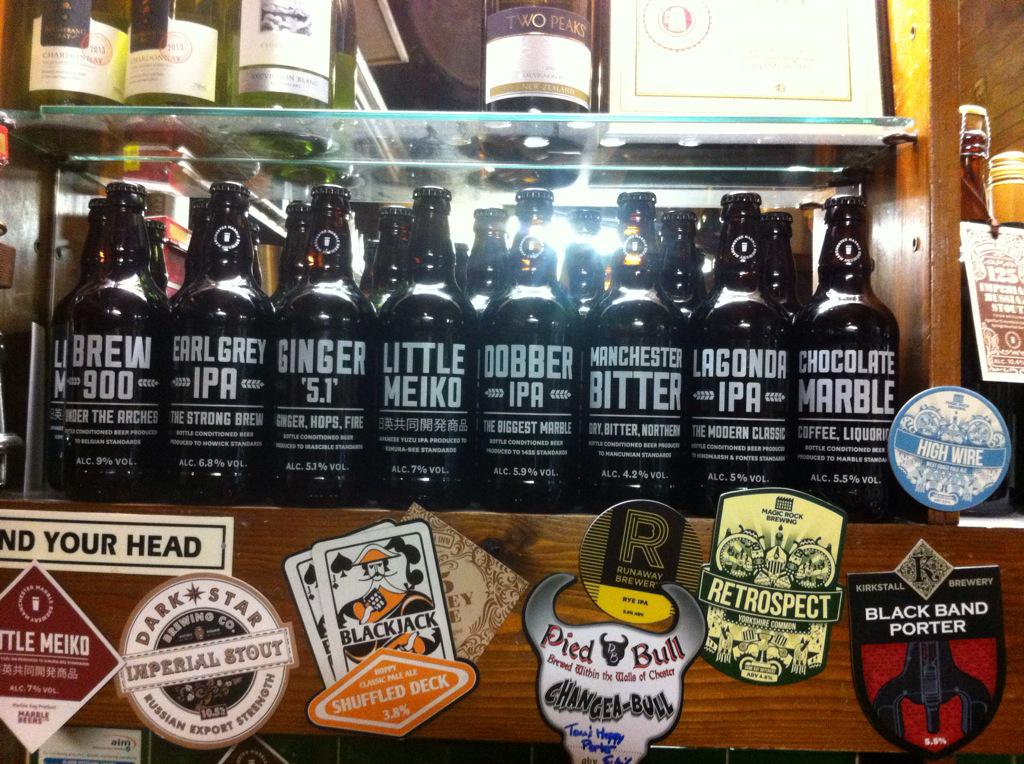
It’s no secret that Mancunians love their beer. Manchester is the former home of Boddingtons, and current home to some great breweries such as Robinson’s, Marble and Hydes.

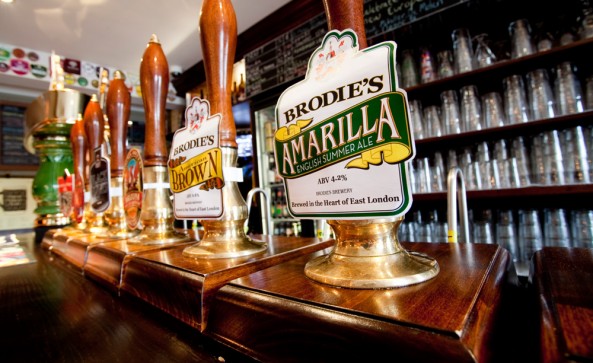
Craft beer and real ale is booming. More and more Manchester breweries are popping up to produce some seriously good drops, which means that the pubs, bars and even the restaurants enjoy a really very good choice these days. In fact, a lot of them are getting in on the act themselves, creating their own concoctions and peddling them to a public that has really taken these artisanal options to its heart. Here I have sorted out some best craft beer bars based on in Manchester and worship at the altar of ale. Happy drinking.

1. Port Street Beer House

Port Street Beer House is one of Manchester’s best-loved craft beer pubs. With one of the most extensive beer selections in the city, this North Manchester CAMRA Pub of the Year 2014 is the place to come for ale lovers. Local, national and international breweries are represented across 25 pumps – seven of those cask. There’s a selection of over 100 bottles, too. The staff are always happy to recommend a beer you’ve not tried before, and they are particularly complimentary about Drink My Peach by Mad Hatter Brewing Company.It’s the only barrel currently in existence from the Liverpool Mad Hatter brewery, so this hoppy, pale, peach-centric IPA is genuinely a one-of-kind tipple.

2. The Marble Arch

The Marble Arch is a traditional British pub that housed the Marble Brewery until 2011. It boasts an impressive selection of Manchester-brewed beers and seriously amazing food. There are always delicious seasonal beers on offer, but for a classic choice, try the Lagonda IPA, a very clean, hop-forward, floral Indian Pale Ale.

3. Brewdog

Craft beer bar boasting one of the widest selections of brews in the city, served by staff who know their stuff. Brewdog are one of the runaway success stories of the new wave of British brewing, now boasting scores of bars across the UK and beyond. The Manchester chapter has managed to inject some much-needed vigour into a stale Peter Street, with its industrial stylings (exposed girders, concrete floor), small outside seating area, a fine range of board games and a frankly excellent BBQ menu.

4. Cask

Despite the name, this bright bar deals more in bottled craft beers than hand-pumped ales. The jukebox is great, and so’s the food. How many city-centre bars do you know that’ll let you sit at a table and eat a mammoth portion of fried potatoes from the next-door chippy? Not many. What about while supping on a Schneider Weisse Tap 6? Yeah, we thought not. This gesture of civility has, no doubt, played a part in Cask’s enduring success. The day Fish Hut goes under will be a sad one for all involved. Among these already not insignificant advantages, Cask has the good fortune to be spitting distance from the Museum of Science and Industry and flush with business-heavy Castlefield.

5. Electrik

Just a stone’s throw from the famous ‘Four Banks’ of Chorlton, Electrik has the vibe of a place John Peel might have built just to listen to records in. It’s a 1970s tinged bar that serves up some stonking real ale (including their own award-winning collaborations with local brewer Happy Valley), and good wholesome food, with arguably the best Sunday Roast in Chorlton.

Thursday, June 25, 2015

Lost in China Town

Manchester Chinatown is currently the second largest Chinatown in UK and third largest in Europe. Although a relatively new Chinatown that emerged during the 1970s, Manchester Chinatown has developed very fast and has even become the main cultural hub for Chinese living in northern England. In fact, Manchester Chinatown is known as the “Chinese Village for the north of England”.

Archway

This status is further enhanced by the establishing of Chinese culture centers and the most visible icon of Manchester Chinatown – its impressive archway. This archway is located at Faulkner Street and was a gift from China. Not many Chinatowns around the world have this honour.


Manchester Chinatown is bounded by 4 streets (York Street, Portland Street, Oxford Street and Mosley Street).


Within and around this area, there are lots of Chinese restaurants, supermarkets, shops and Chinese physicians. In some of the shops, we can even find newspapers published in Hong Kong and China specially airfreight for sale in Manchester Chinatown. There are also restaurants for other Asian cuisines (Thai, Japanese, and Nepali) including cuisines of overseas Chinese from Singapore and Malaysia who migrated to UK.

Chinese

Obviously, there is plenty of Chinese food to try, including diverse dishes from the Szechuan - Red Chilli,  and Pekingese - The Great Wall cooking traditions. More spicy thrills are in store at the many Thai, Japanese, Korean and Vietnamese restaurants that line the square - and there’s something for every wallet too. Soups and traditional desserts in Siam Smiles stand out, alongside formal Cantonese meals at former Michelin star winning restaurant, Yang Sing.

Thai

Two of the city’s best Thai restaurants are located within a couple of meters of each other on George Street. Siam Smiles Supermarket and Noodle Bar is the newest addition to the block, and it’s a few canteen-style tables inside a Thai supermarket. Just upstairs from Siam Smiles is the more formal restaurant, Phet Palin. Among the fake palm fronds and mock-bamboo, this established restaurant that’s a favourite of the Thai ex-pat community serves an excellent white fish in hot, clear broth, as well as wildly spiced salads, and the red and green curries.

Japanese

Across the square are two restaurants which have been heavily supported by the British national press. First up is the tiny Japanese gem, Yuzu. All lacquered wood and bench-style seating, Yuzu specialises in simple set meals, which include perfect sticky rice topped with.

Wednesday, June 24, 2015

Foods that Malaysia do not have

Manchester is a wonderful city for food seeker. From marvellous mains to superlative scotch eggs, from restaurant to food stalls, there are so many wonderful creations for the hungry-one.

1. Manchester Tart / Manchester Pudding

Manchester tart is a traditional English baked tart consisting of a shortcrust pastry shell, spread with raspberry jam, covered with a custard filling and topped with flakes of coconut and a Maraschino cherry. The recipe was first published by Mrs Beeton in her book "Household Management ". It comprises a set custard slice in shortcrust pastry and a hidden layer of jam underneath. Served with lashings of hot custard, it was very popular in school dinners of the 1940s and 1950s.

2. Black Pudding

Black pudding, otherwise known as blood sausage, is a dark sausage stuffed with animal blood seasoned and cooked with fillers such as bits of meat, suet, oats, or barley and congealed until solid. Black Pudding has been around since humans have farmed and kept livestock. Made from congealed pig's blood and oatmeal and produced widely throughout the region, with Bury boasting probably the most famous, with its traditional methods of making the delicacy going well back into the 19th century. Bury Black Puddings win international awards. It is still purchased in a hot boiled form on many local markets, and eaten locally as a takeaway snack (much as fish and chips in paper might be) and dowsed with liberal amounts of malt vinegar. Further south it tends to be thinly sliced and fried as part of a mixed grill.


3. Manchester Egg

The Manchester Egg was created by amateur chef Ben Holden in 2010, when he wondered how to put a Mancunian spin on the classic Scotch egg.  His creation – a pickled egg coated in black pudding and sausage meat, wrapped in panko breadcrumbs and deep-fried until golden-brown – became a local sensation at The Castle pub in the Northern Quarter, and people travelled from miles around to try the new Mancunian delicacy. A huge hit at the Manchester Food and Drink Festival, it’s even been sold to City fans at Etihad Stadium.

4. Lancashire Hotpot

Lancashire hotpot is a dish made traditionally from lamb or mutton and onion, topped with sliced potatoes, left to bake in the oven all day in a heavy pot and on a low heat. Originating in the days of heavy industrialisation in Lancashire in the North West of England. This famous lamb stew topped with sliced potatoes should be on the menu at every Manchester pub. The hotpot had a starring role in Coronation Street in the Rovers Return, and chef Nigel Haworth has given the dish a rather elegant revival in recent years.

5. Tripe

Tripe has fallen out of favour somewhat, but there used to be 260 tripe shops in Greater Manchester alone. The lining of an animal’s stomach such as cattle, sheep, pigs or goats may not sound especially appetising. Hell, even the word tripe doesn’t fill one with confidence. But tripe is undergoing a bit of a resurgence, and more fashionable restaurants are putting it back on the menu, albeit with new twists on the classic Northern dish of tripe and vinegar.

Tuesday, June 23, 2015

Transportation

Transportation, one of the main issues we have to consider while travelling in an country. Just like Malaysia, we have buses, KTM, LRT, Monorail and etc as important public transport other than house vehicles. In the research of Manchester and Salford, I investigated the transportation around the city.

Airplane

In Manchester, there is a Manchester Airport, which is an international airport in Ringway, Manchester, England. in 2014, it was the third busiest airport in United Kingdom in terms of passenger numbers. As what we informed, students who studying aboard will landed in that airport before we travel to Salford. After research, I found that we might take AirFrance to travel from Malaysia to Manchester (for a direct flight). There are few ground transport connected with the airport. 

First is rail, where Manchester Airport railway station which opened in May 1993. It connected to Piccadilly Station and other railway stations mainly throughout northern England.

Second is Metrolink, where the service from Cornbrook station to the Airport opened in November 2014 and runs at 12 minute frequency. Journeys along the 15-stop line between Cornbrook take approximately 35 minutes.

Third are bus and coach.The Station is the airport's ground transport interchange and brings bus, coach and rail passengers under one roof. Over 300 trains, 100 coaches and 500 buses a day use the facility. Buses serve many locations throughout Greater Manchester, including the 24-hour bus service Skyline, which runs every 10 minutes (every 30 minutes at night) to Manchester city centre via Wythenshawe, Northenden, Withington, Fallowfield and Rusholme.

Manchester International Airport is 15 miles from the University. However, there are  regular, direct train services to and from Salford Crescent station and Manchester Piccadilly. Buses 43A, 45A, 84A and 105 link the airport and the city centre.

Route from Manchester Airport to UoS

Buses

There are few bus companies in Manchester that operating. Their colors are not all in red  and the colours range from orange and white to purple and white. The Metrolink tram system uses a sliver and grey palette. There are few stations where students will have to take note: Cromwell Road, The Crescent and Frederick Road/Broad. Travelling within the campus will be free of charge (FOC), but it charged expensive if taking bus outside. These are the bus numbers for traveling:

Source from http://www.salford.ac.uk/about-us/travel

The number 50, operated by Stagecoach, runs every 10-15 minutes from Manchester city centre via our main Peel Park campus and Salford Shopping Centre. You can travel free between the main University campuses and MediaCityUK by producing your University ID card. The University runs a free bus service during term time, linking the academic campus, periphery car parks and accommodation sites. The bus is scheduled to operate at regular half hour intervals from 8.15 until 23.15 (ending at Castle Irwell).

Rail

There are two, Salford Central, and Salford Crescent. The nearest to the University is Salford Crescent, which is actually now part of the University campus and stands next to our new Arts & Media building (New Adelphi), which will move into next year. Salford Crescent station is located on the campus between Peel Park and Allerton. Direct services run to and from Manchester Airport, Manchester Piccadilly and Victoria, as well as Blackpool, Bolton, Buxton, Blackburn, Southport, Preston, Lancaster and Barrow-in-Furness. Inter-city services normally use Manchester Piccadilly which is about ten minutes train journey from Salford Crescent. There are two train stations in Manchester; Victoria, and Piccadilly. The mainline connections to all other UK cities run from Piccadilly. There is no underground train system in Manchester, but there is a new and extensive tram system.


Through today's researches, I found that Salford's transportation is easy and friendly especially to students. However, since there are only such few stations in Salford, the destination we want to go are limited. And to going somewhere nearby will have to walk and it will be troublesome as well. To make my life easier, I might consider of buying a bicycle in Salford for exercise and short traveling around. The budget should be ₤30-50 for a second-hand bicycle and will sell it out after ended by university.

Monday, June 22, 2015

Manchester, Salford, Another Heart of England

We had a SKYPE meeting with Johnny Bryne and Roy Chilvers from University of Salford in room Q214 at 4pm for module briefing of CCCP. The duration of this assignment is 6 weeks, with credits of 20. This is the first time we had briefing with lecturers through SKYPE and that made us excited for this new experience. Through the briefing, we clear with the requirement of this assignment and also understand what we should do in the following weeks. There are three phase of the assignment, Preparatory Phase, Intensive Study Phase and Project Consolidation Phase.

In Preparatory Phase, students will be comprehensively briefed on the nature of the module, and the potential areas of research and investigation (According to the brief). This means starting from today, we have to research on Manchester, Salford daily and gather the materials for as much as possible to supporting the intensive study phase. To do so, I created this blog to start my research writing and try to create a diary or a blog per day.

For Intensive Study Phase, will be started on 6th July until 10th July after Johnny and other lecturers come to TARUC and proceed this stage with us. We will present our researches in the first day and divided into groups to complete each tasks given. Other than those info, we know nothing more and have to wait till the first day to wait for Johnny's guide. This same to Project Consolidation Phase, where we have to complete the Intensive Study Phase first before we know further info.

SKYPE briefing with Johnny and Roy

Today, is the first day of Preparatory Phase, and I started my simple researches on Manchester and Salford through government website and Wikipedia. here are parts of my research results.

Map of  Great Manchester
Manchester, is a city at the North West England with 514,417 of population in 2013, and achieved city status in 1853, the first new British city for three hundred years. In the United Kingdom's second most populous urban area, with a population of 2.55 million, Manchester is fringed by the Cheshire Plain to the south, the Pennines to the north & east and an arc of towns with which it forms a continuous conurbation. Manchester is ranked as a beta world city by the Globalization and World Cities Research Network and is consequently the highest ranked British city except for London. 


Map of Salford
Salford lies at the heart of the City of Salford, a metropolitan of Greater Manchester, in North West England. Salford is sited in a meander of the River Irwell, which forms in part its boundary with the city of Manchester to the east. The Salford wards of Broughton and Kersal are on the other side of the river. Together with its neighbouring towns to the west, Salford forms the local government district of the City of Salford, which is administered from Swinton. The former County Borough of Salford, which included Broughton, Pendleton and Kersal, was granted honorific city status in 1926; it has a resident population of 72,750 and occupies an area of 8.1 square miles (21 km2). The wider City of Salford district has a population of 219,200.

What came into my brain when I was first doing researches of Manchester and Salford, is the culture of the country. To learn more about a new place, its culture will bring the direct answer for all. Therefore, I will work more on brainstorming in the following days.